Primary Obstruction Agents
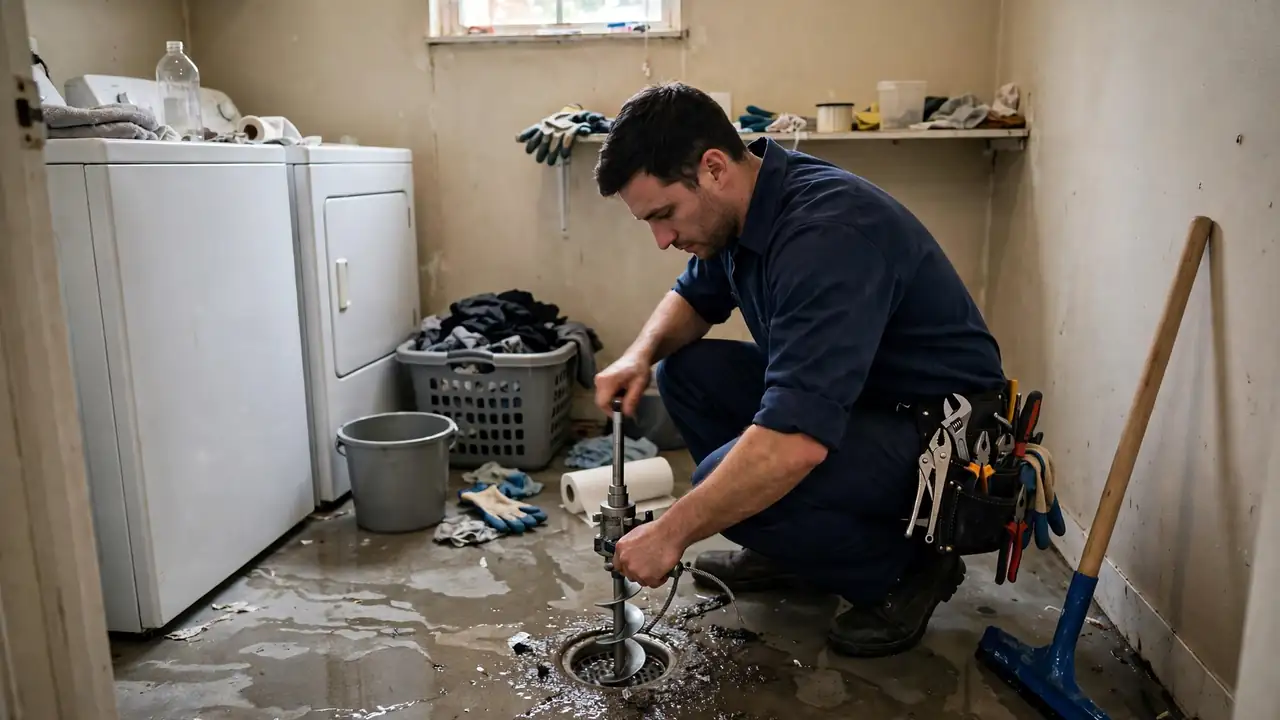
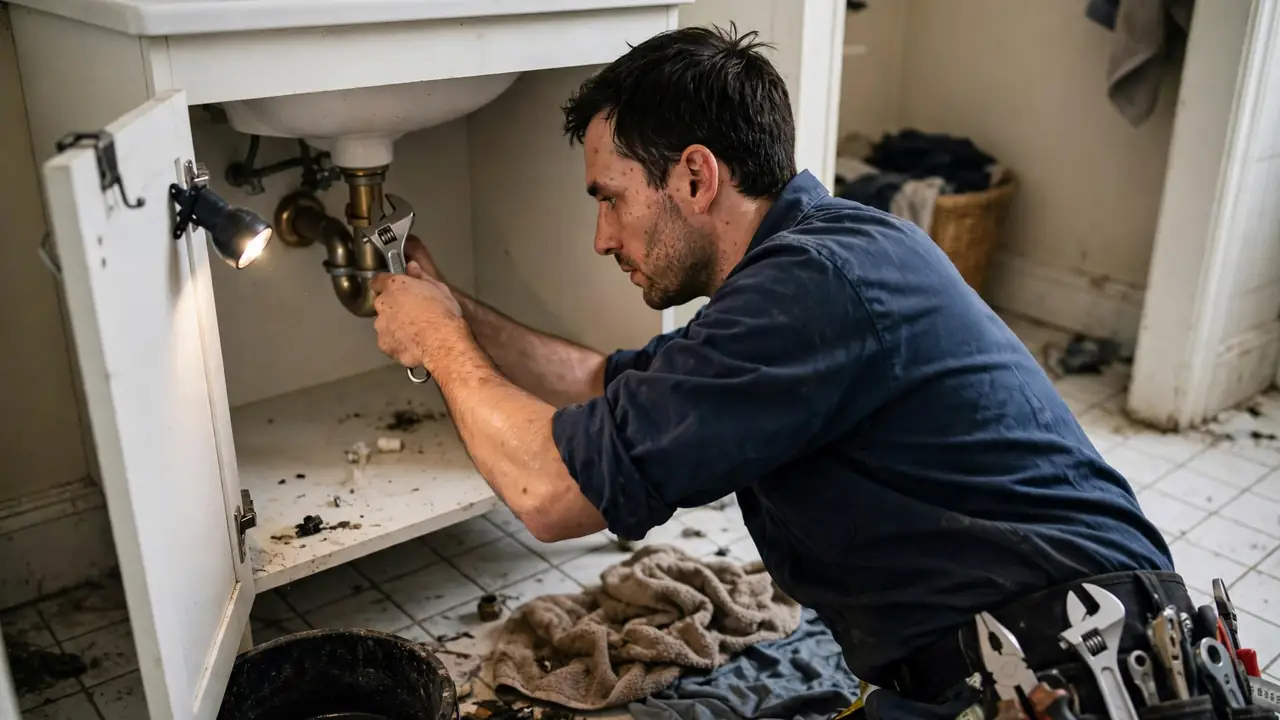
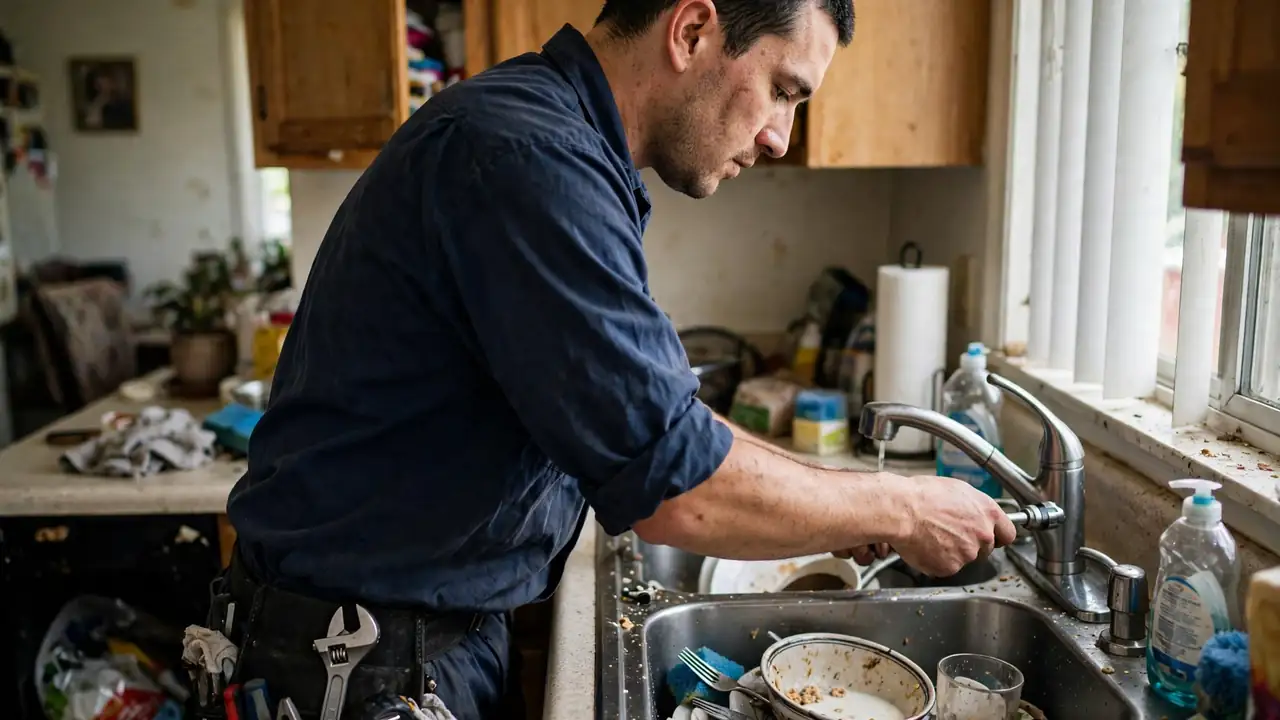
Drain stoppages develop when cooking grease cools into hardened sticky linings, catching coffee grounds, food scraps, and vegetable peels. In bathroom plumbing, shed hair combines with soap talc into dense fibrous plugs. Flushable wipes, facial tissues, and paper towels resist breakdown, creating physical blockages inside narrow drain bends.
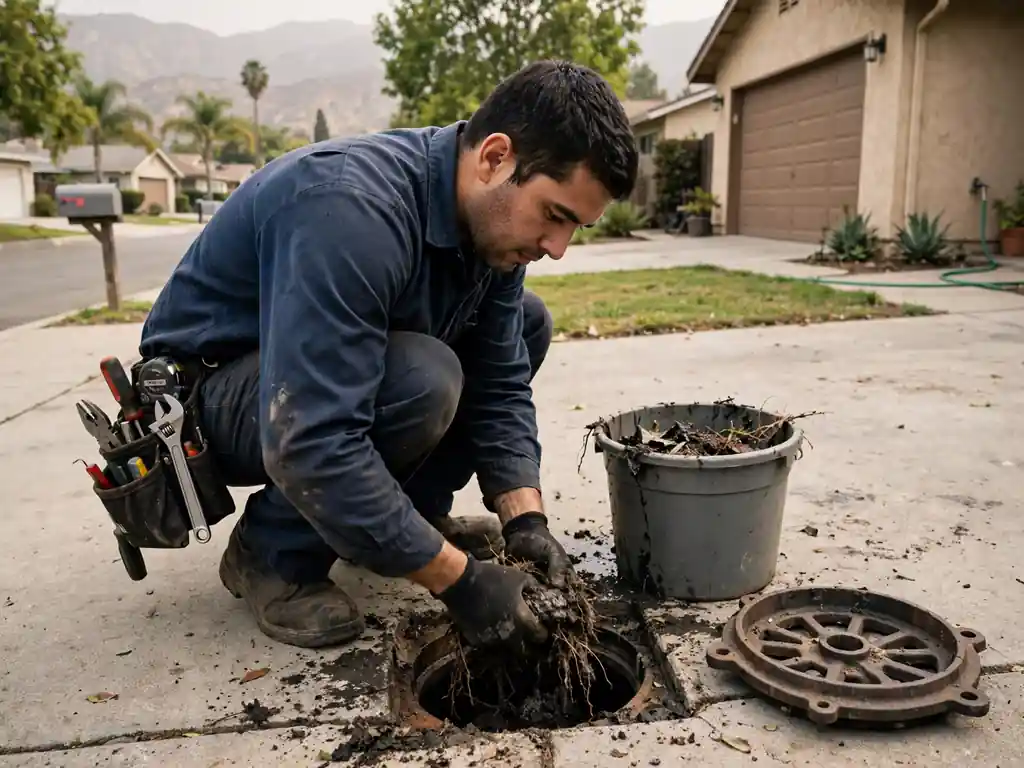
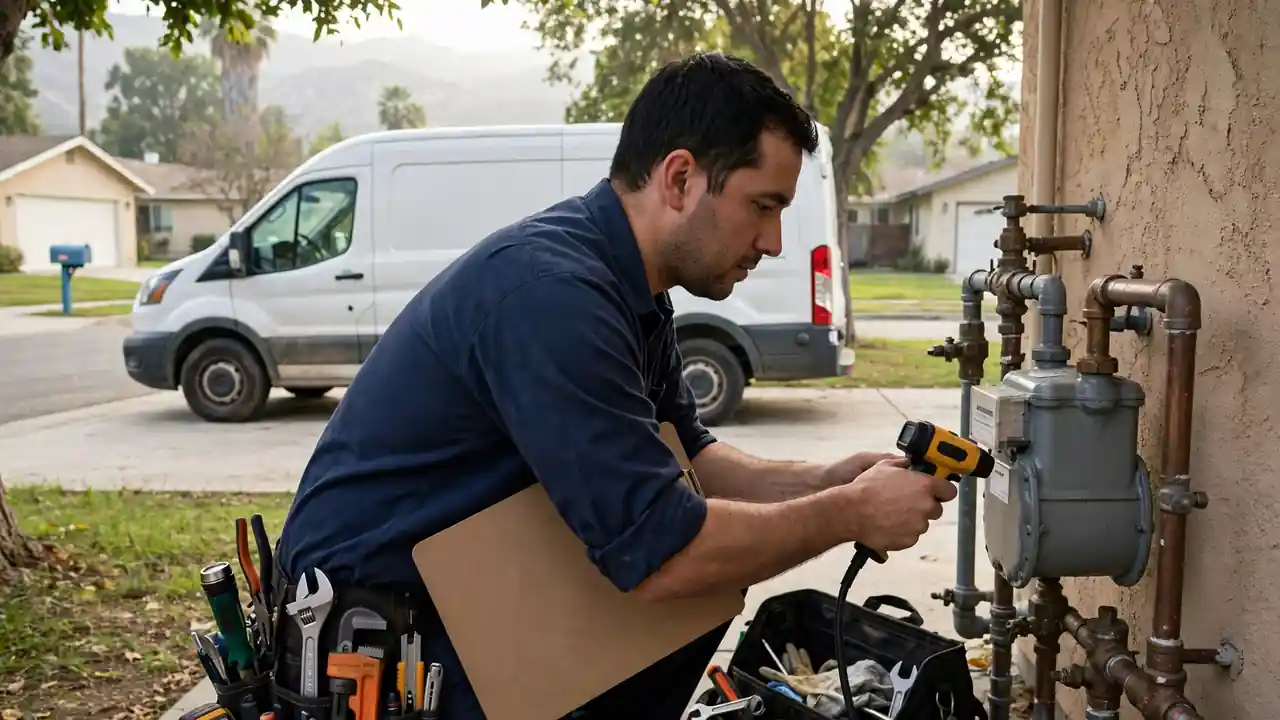
Subterranean blockages originate from physical pipe flaws. Moisture-seeking roots penetrate clay pipe hubs, while cast iron stacks scale up internally or sag, creating standing water bellies that continuously trap solids.
Identifying Structural Pipe Damage
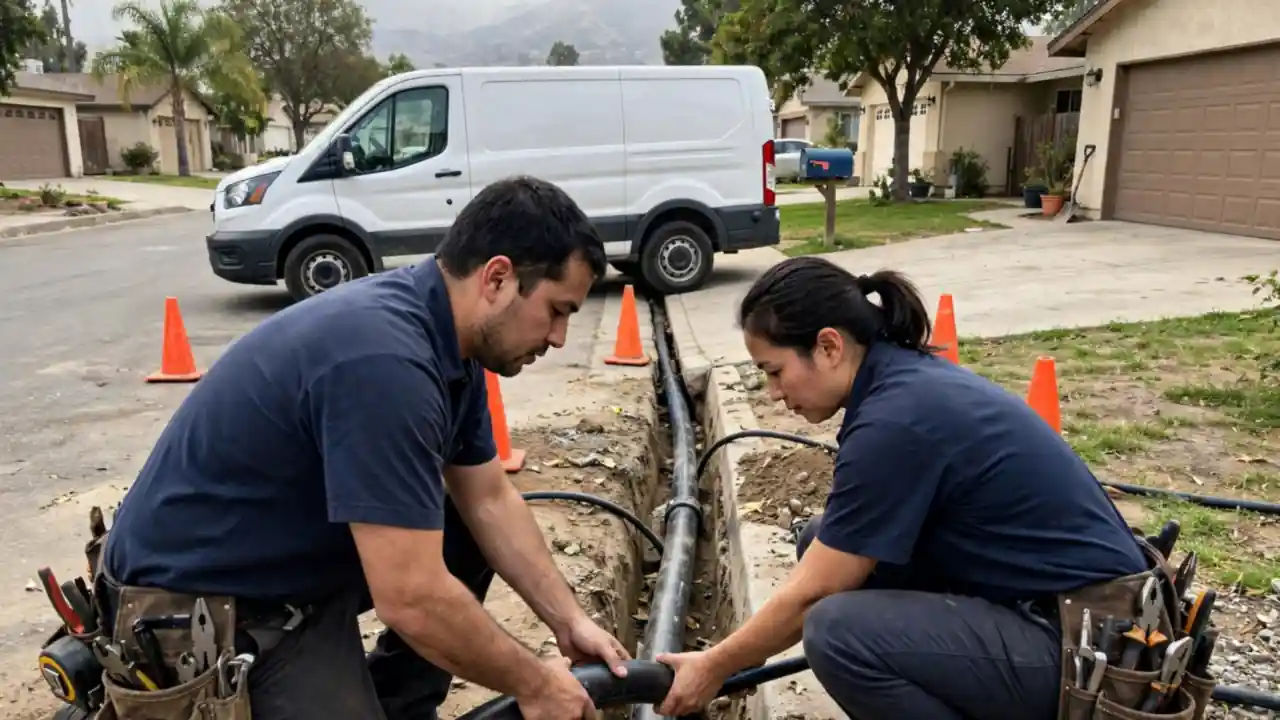
When drains clog repeatedly within weeks of mechanical clearing, the underlying issue involves structural pipe failure rather than simple debris. Invasive tree roots, broken clay hubs, pipe bellies holding standing water, and heavy internal rust scaling require professional pipe repair or trenchless relining.
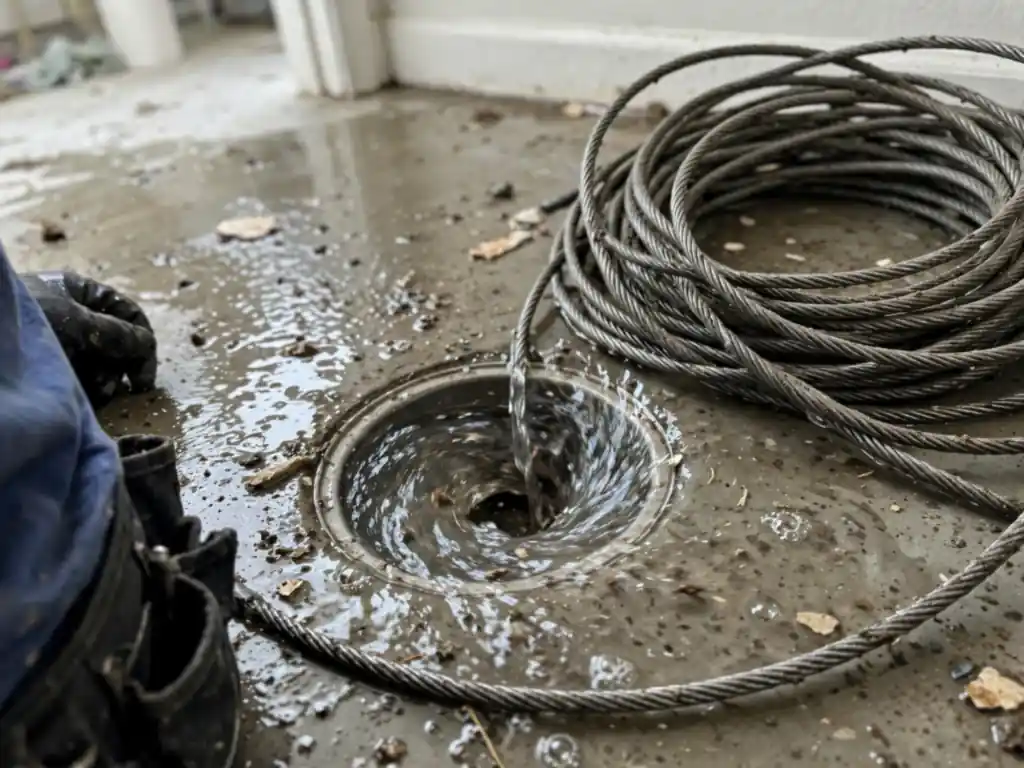
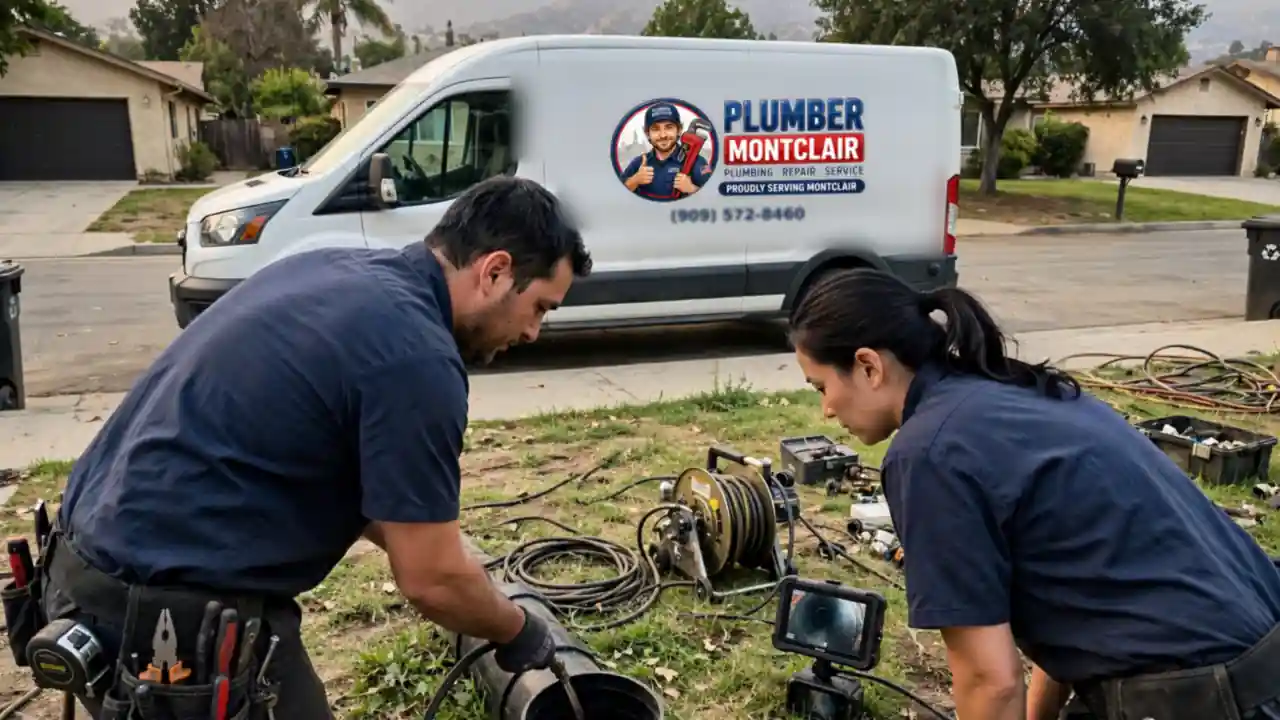
Targeted mechanical snaking clears temporary blockages, whereas persistent failures mandate video pipe diagnosis and structural pipe repair to ensure permanent flow integrity.
Materials to Exclude from Drains
Never dispose of fats, oils, grease, eggshells, fibrous celery, flushable wipes, or sanitary products down domestic drains. Avoid commercial chemical drain unblockers, as caustic formulas etch cast-iron pipes, weaken PVC joints, and create hazardous conditions for plumbing technicians.
Installing surface mesh strainers captures loose hair and food debris before entry into plumbing traps, while hot water flushes prevent residual grease from congealing.