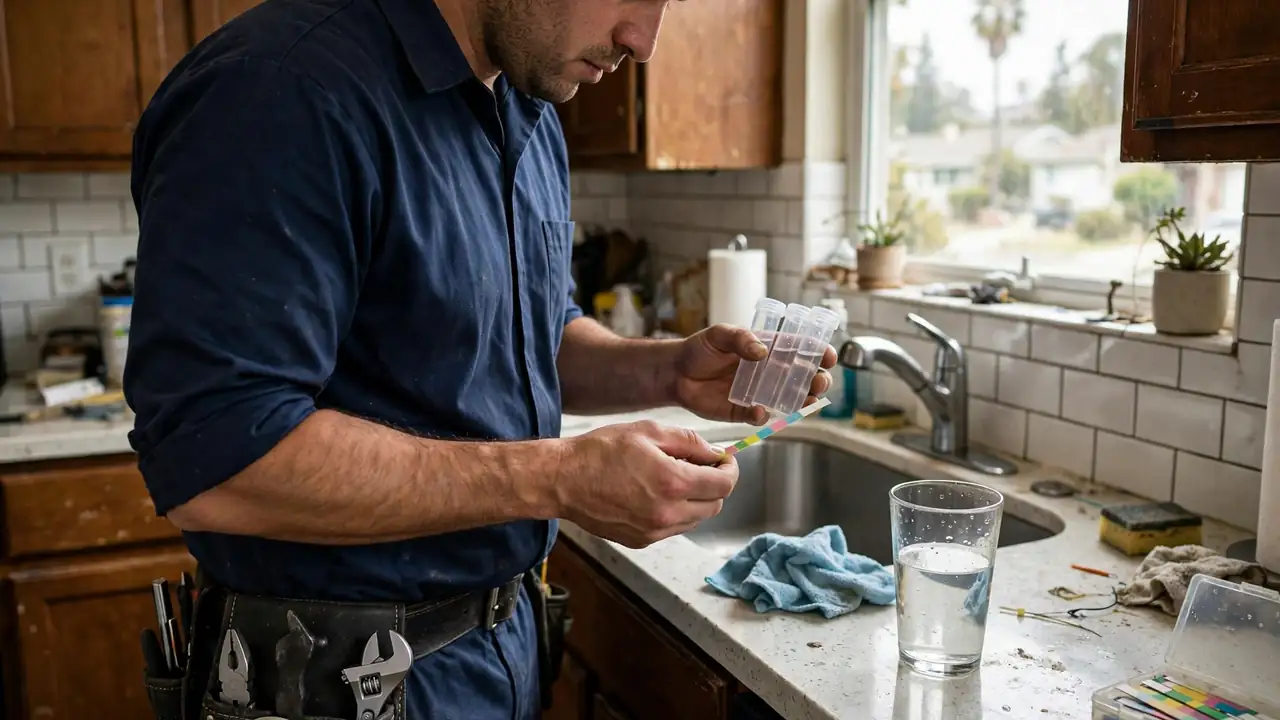
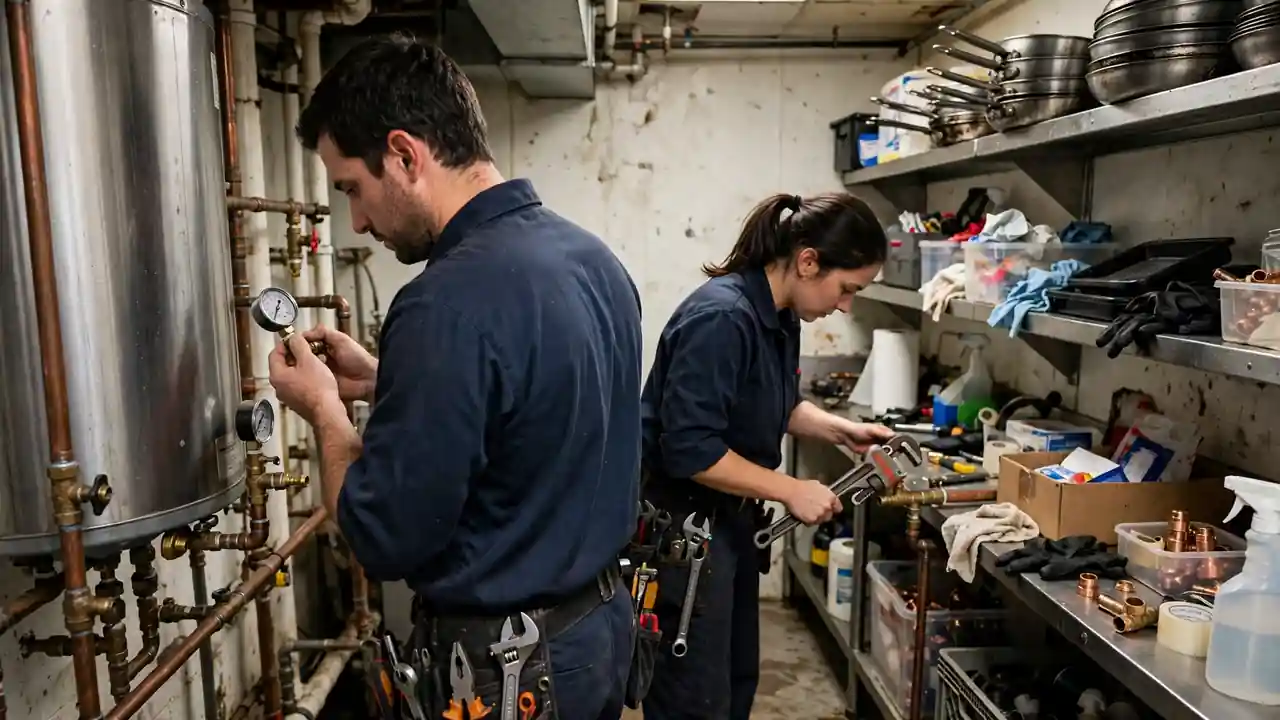
Mechanical & Organic Obstruction Dynamics
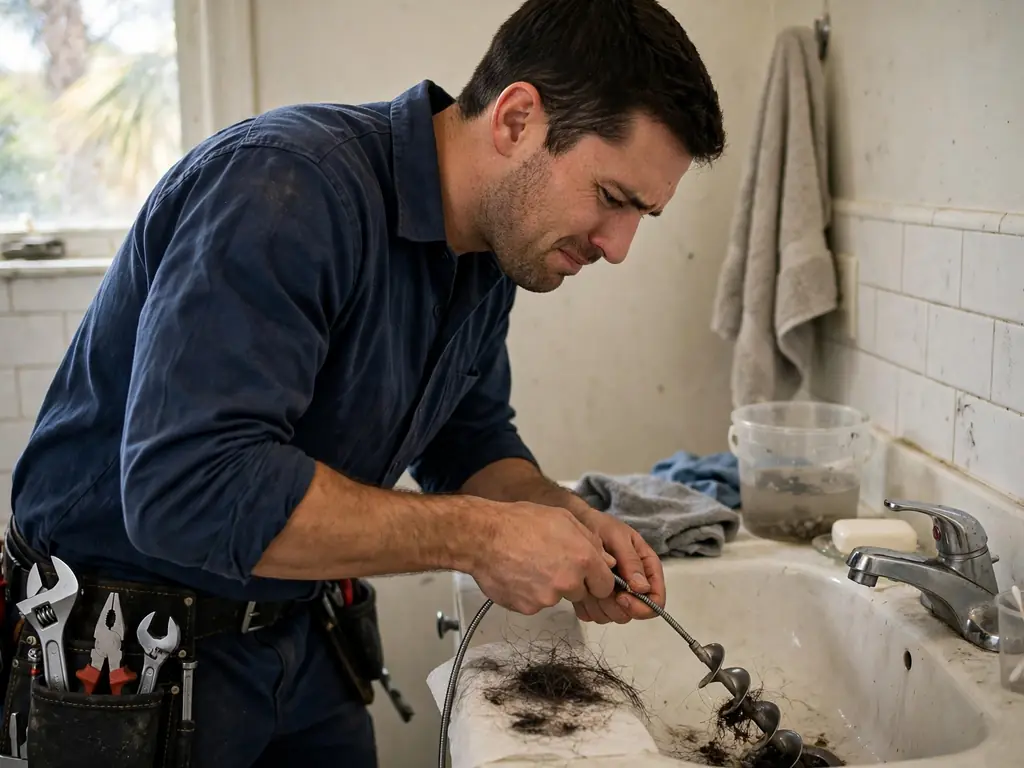
Drain clogs form when insoluble grease, hair tangles, soap scum, and synthetic wipes bind together, adhering to pipe walls and constricting wastewater flow. In mature plumbing systems, interior calcium scaling and invasive tree roots accelerate this accumulation.
When a drain clogs repeatedly in the same location, the issue stems from physical pipe defects such as internal rust blistering, fractured joints, or sagging pipe bellies holding stagnant water.
Determining When to Clean vs. Repair
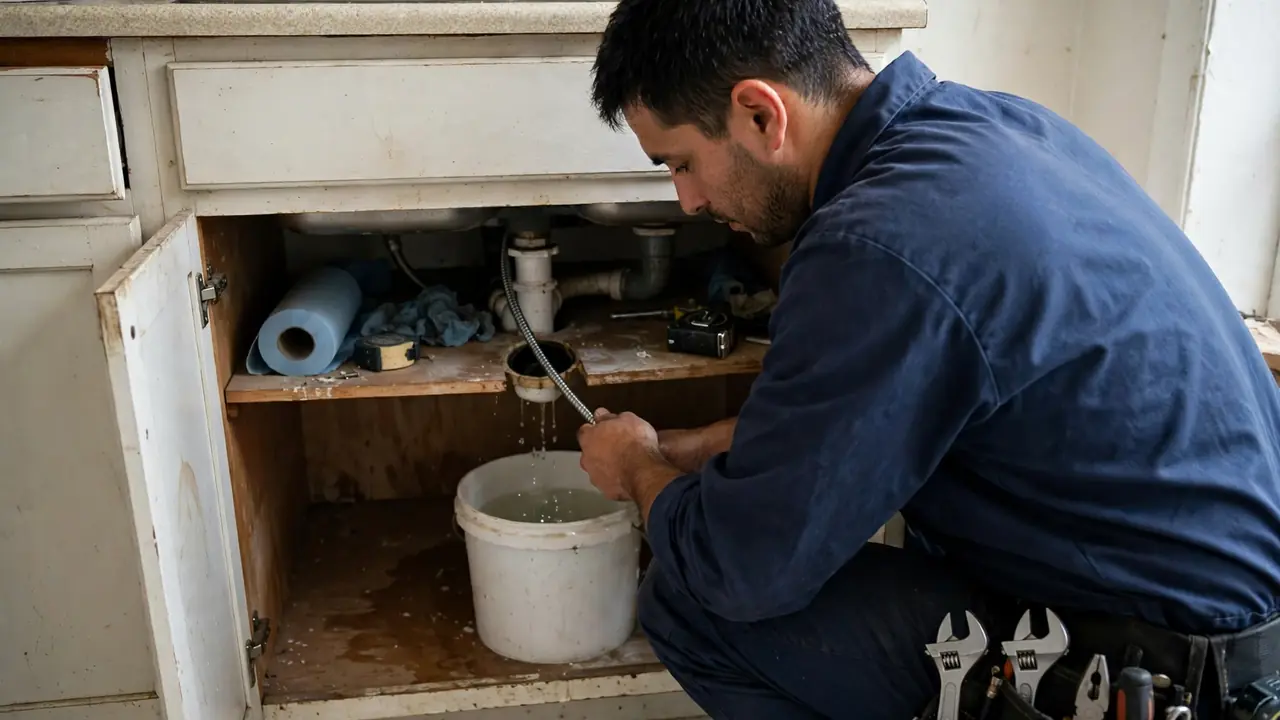
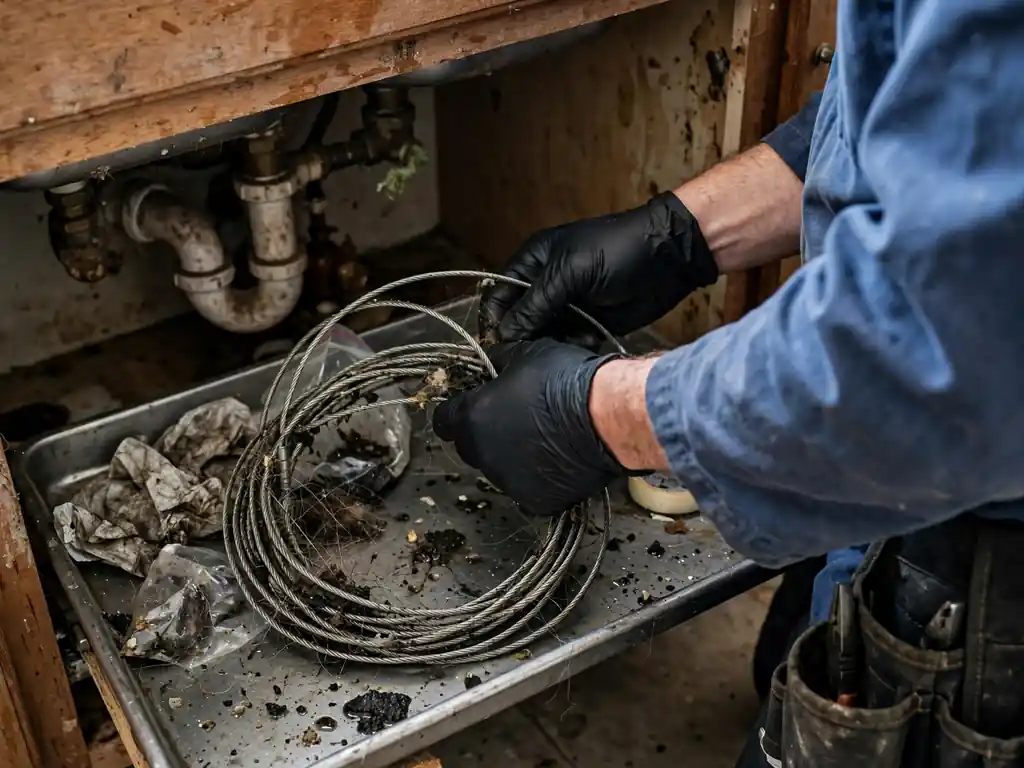
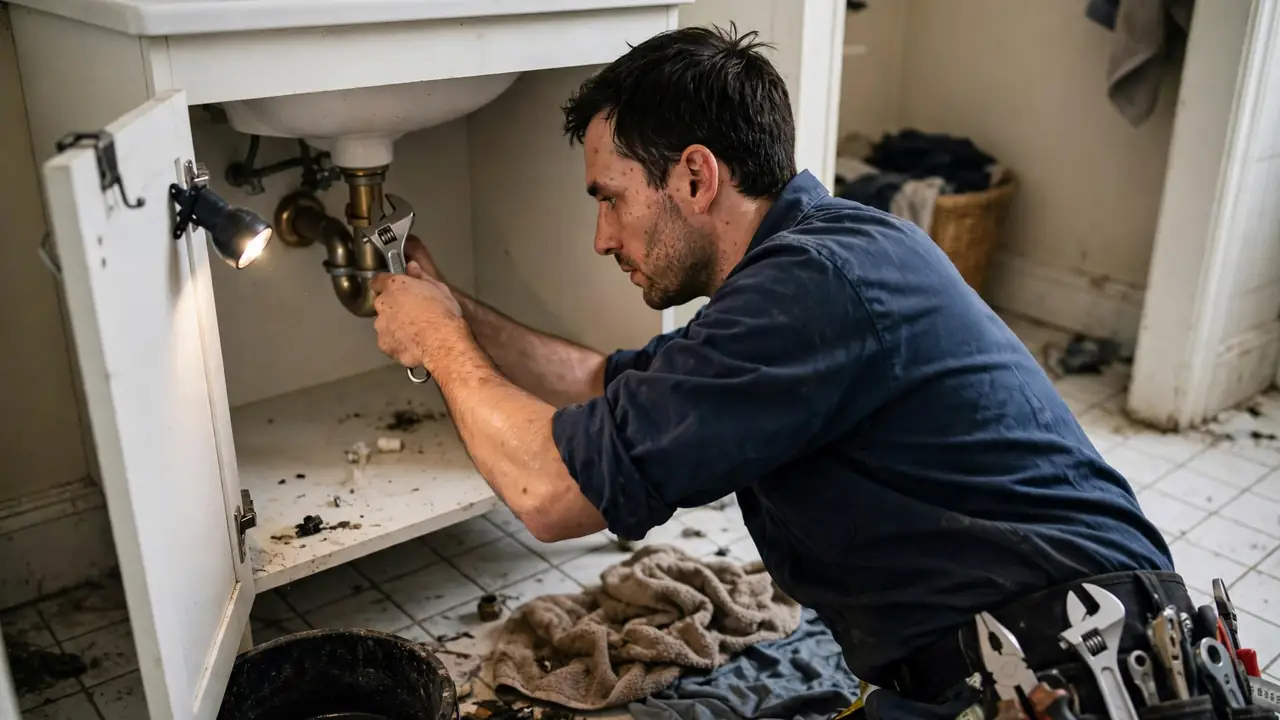
An isolated surface clog caused by foreign debris clears permanently with routine mechanical snaking. Conversely, drains exhibiting persistent gurgling, recurring stoppages, or cross-fixture backflows require physical repair rather than repeated cleaning.
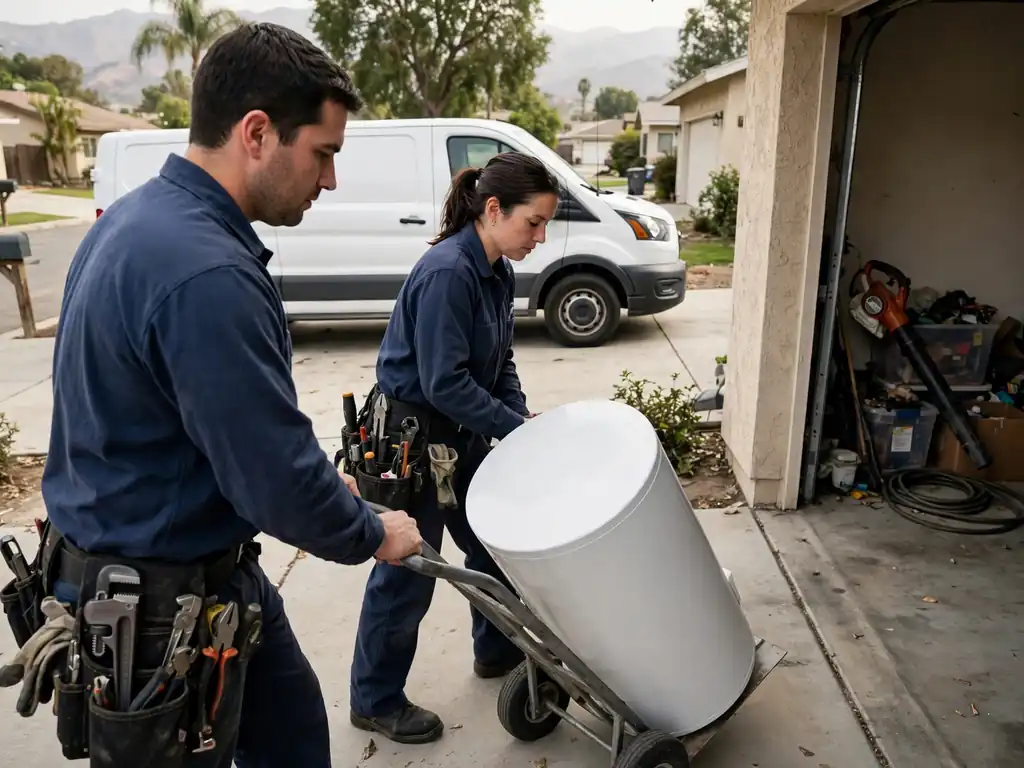
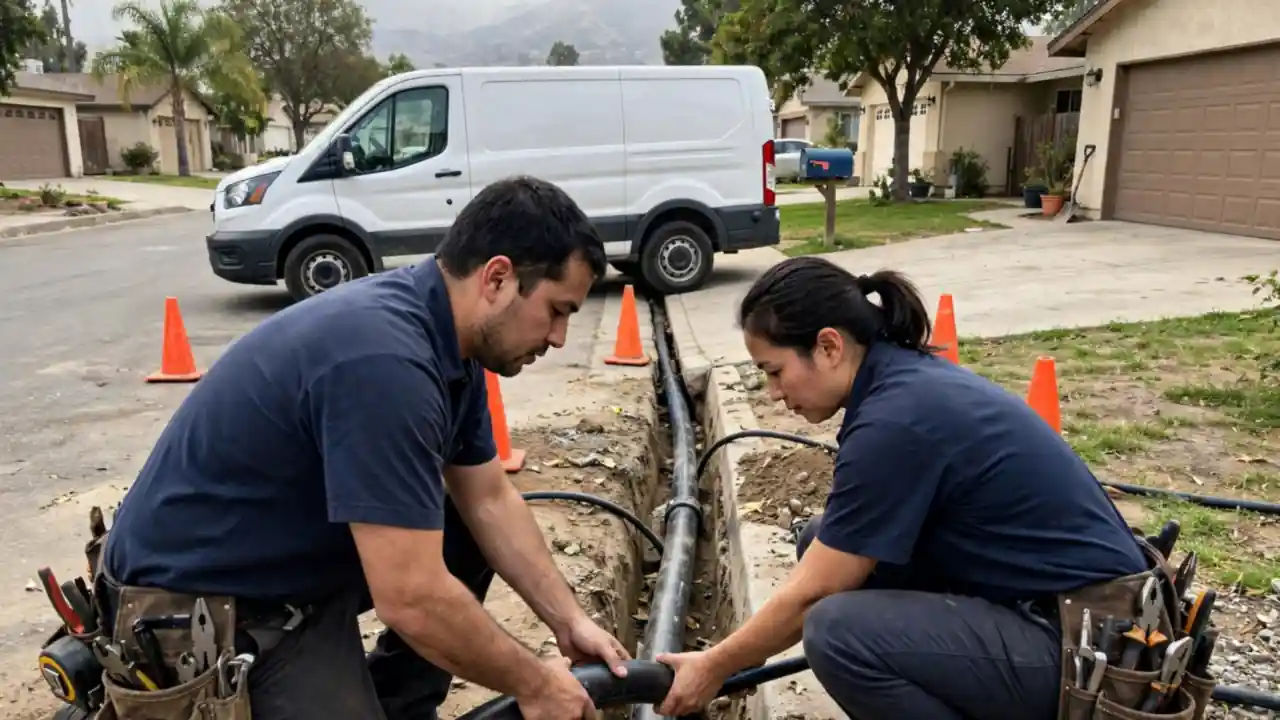
Targeted pipe resection replaces degraded elbows, bellied runs, and cracked couplings with smooth modern ABS or PVC piping, providing permanent drainage reliability.
Safe Inter-Service Drain Care
Installing surface mesh strainers, keeping cooking grease out of drains, and flushing with hot water keeps wastewater lines moving smoothly. Never pour caustic chemical drain cleaners into drains, as sulfuric acid and sodium hydroxide corrode metal pipes, damage porcelain glazes, and generate toxic fumes.
When drainage remains sluggish despite basic preventive measures, professional camera inspection provides safe, definitive diagnosis.