What causes a drain to block
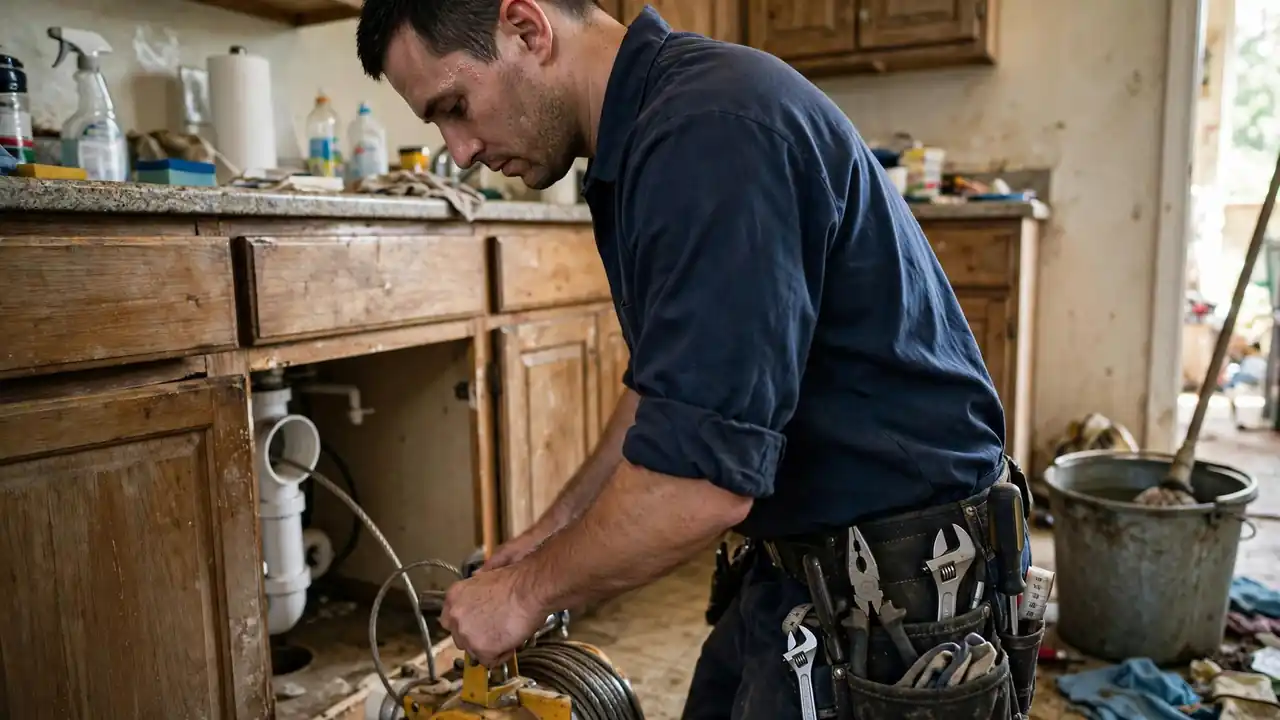
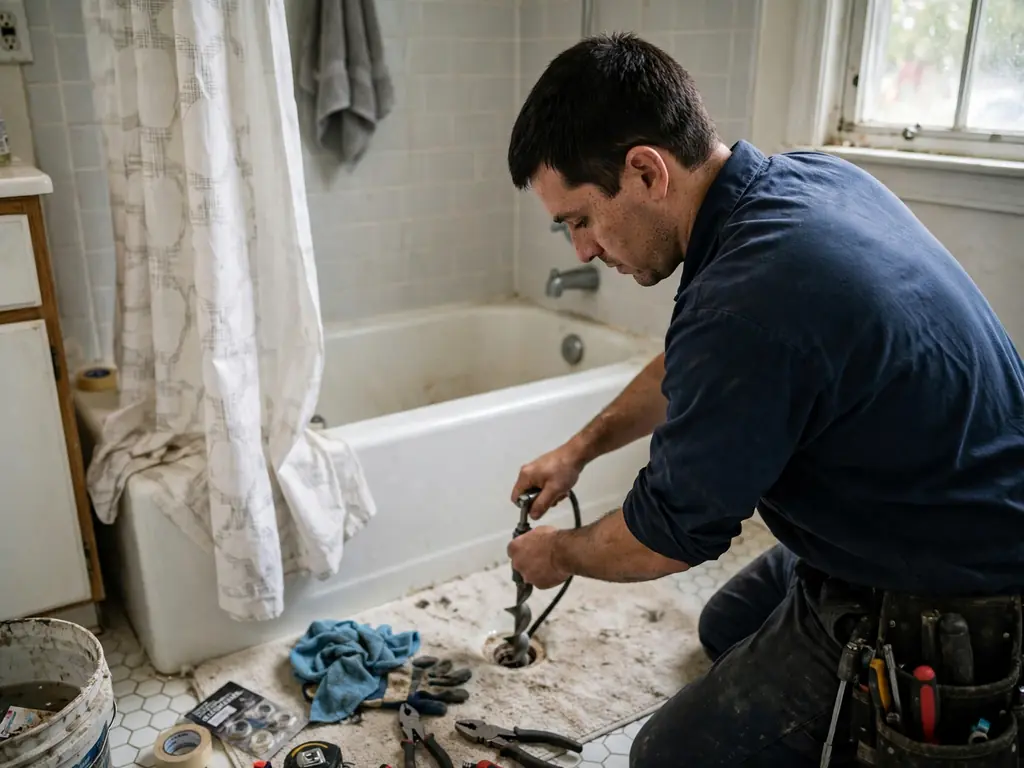
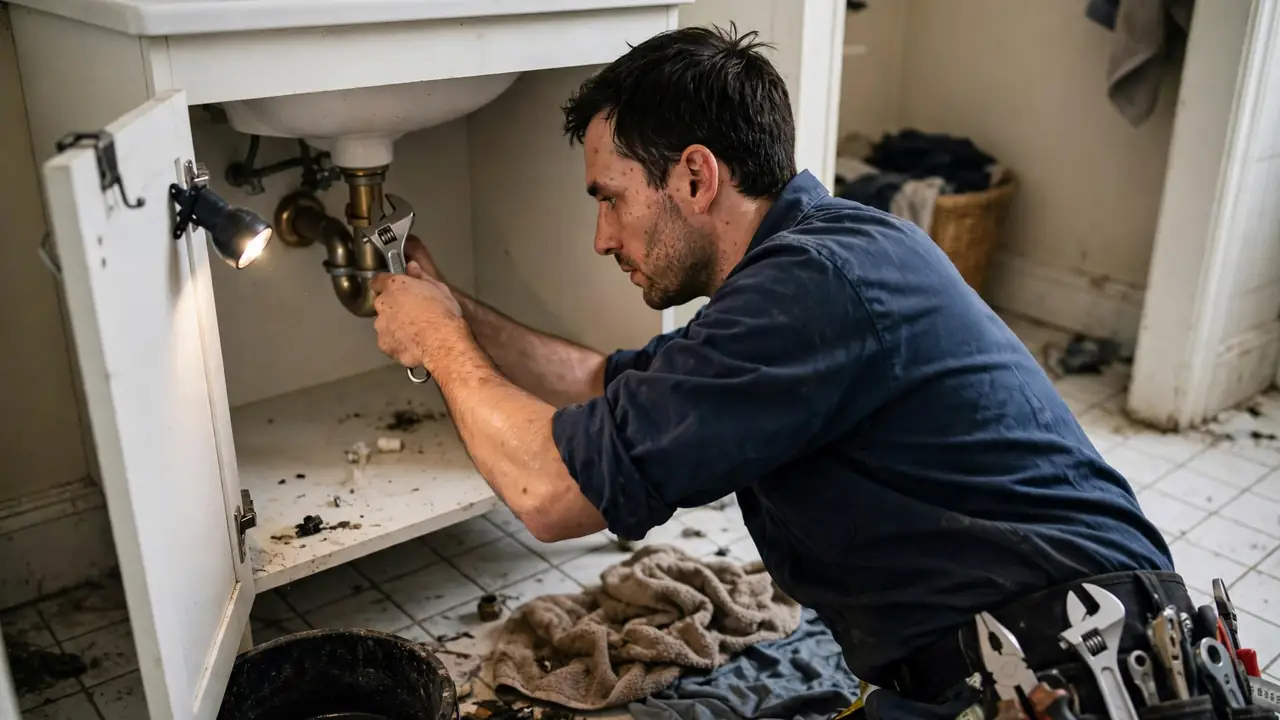
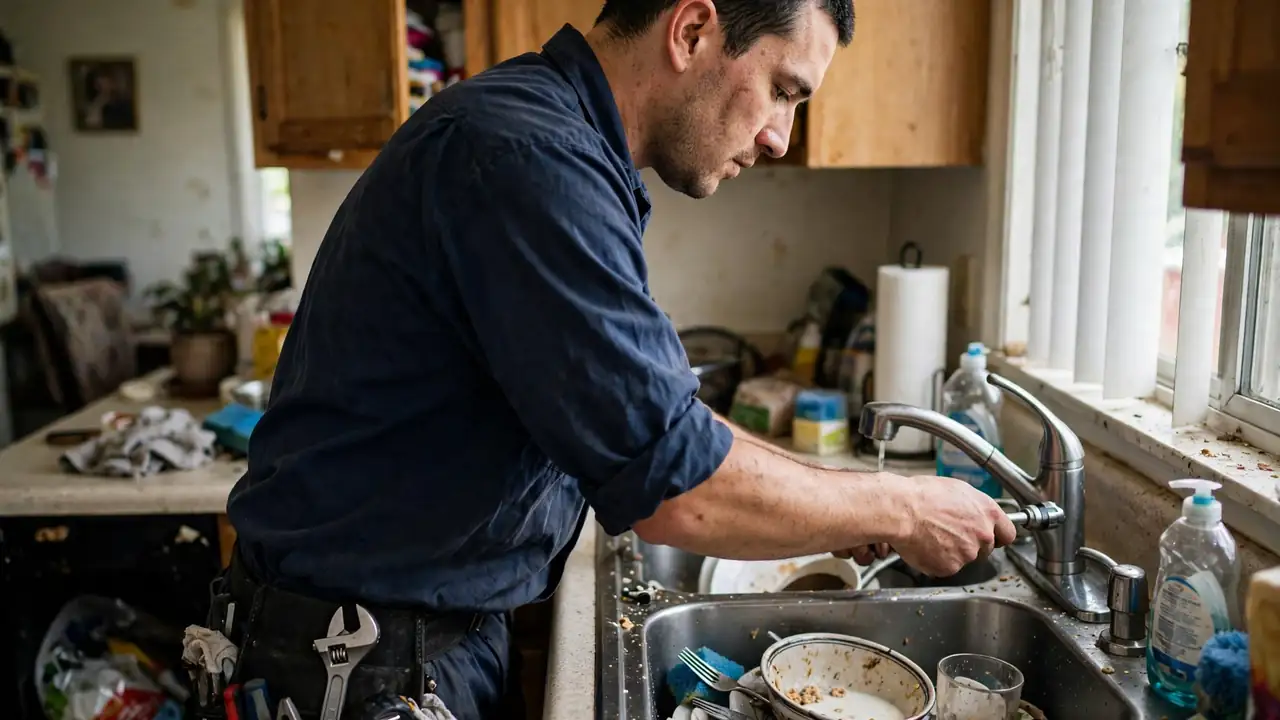
Drain obstructions develop when waste materials accumulate faster than water flow transports them. Kitchen lines clog from solidified fats, food scraps, and starch. Bathroom drains collect hair, soap scum, and cosmetic products within fixture P-traps.
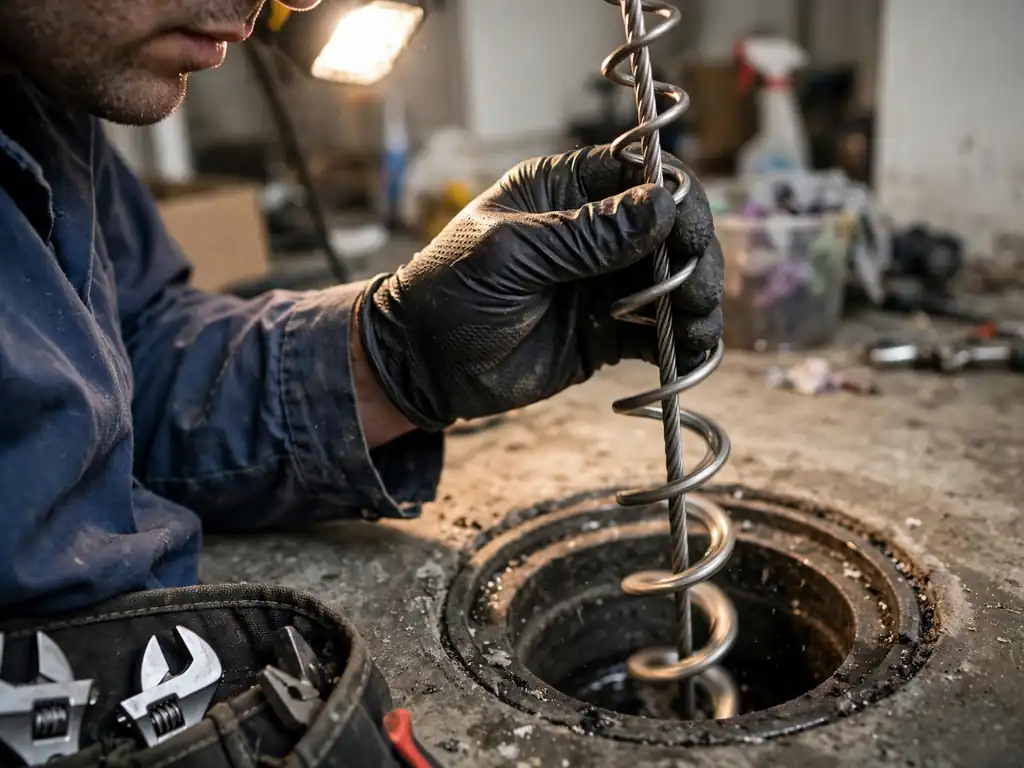
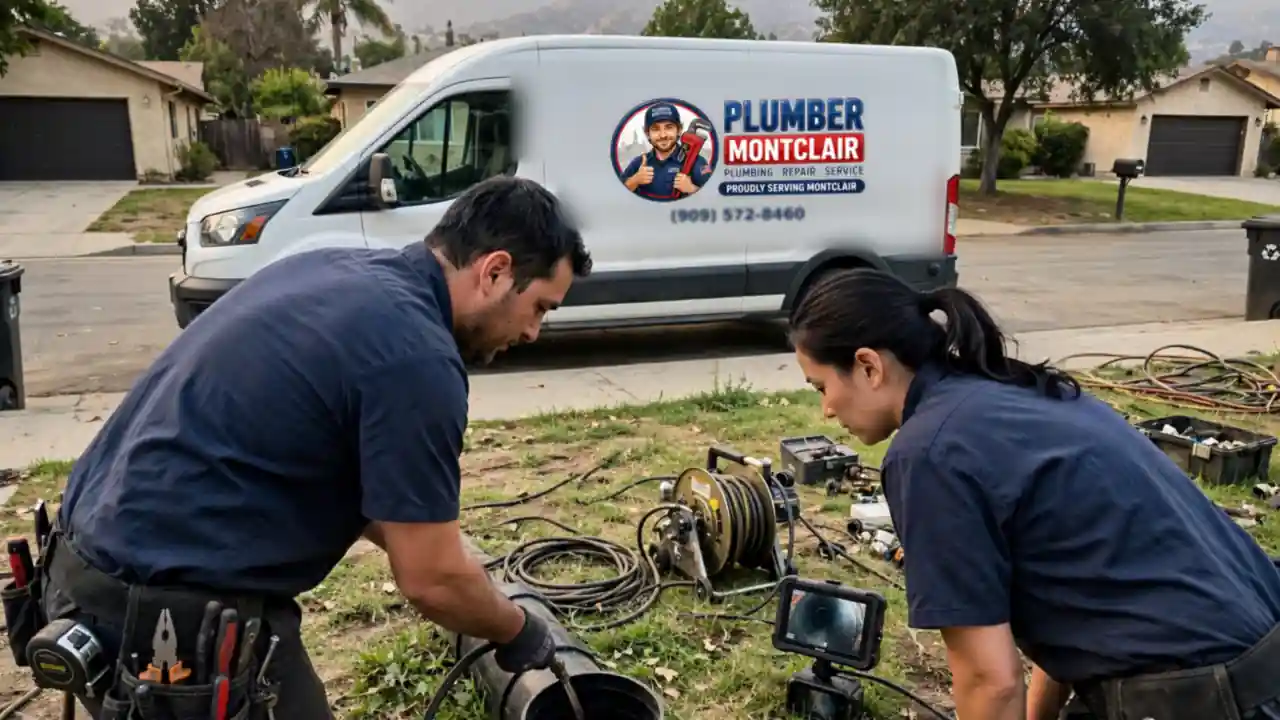
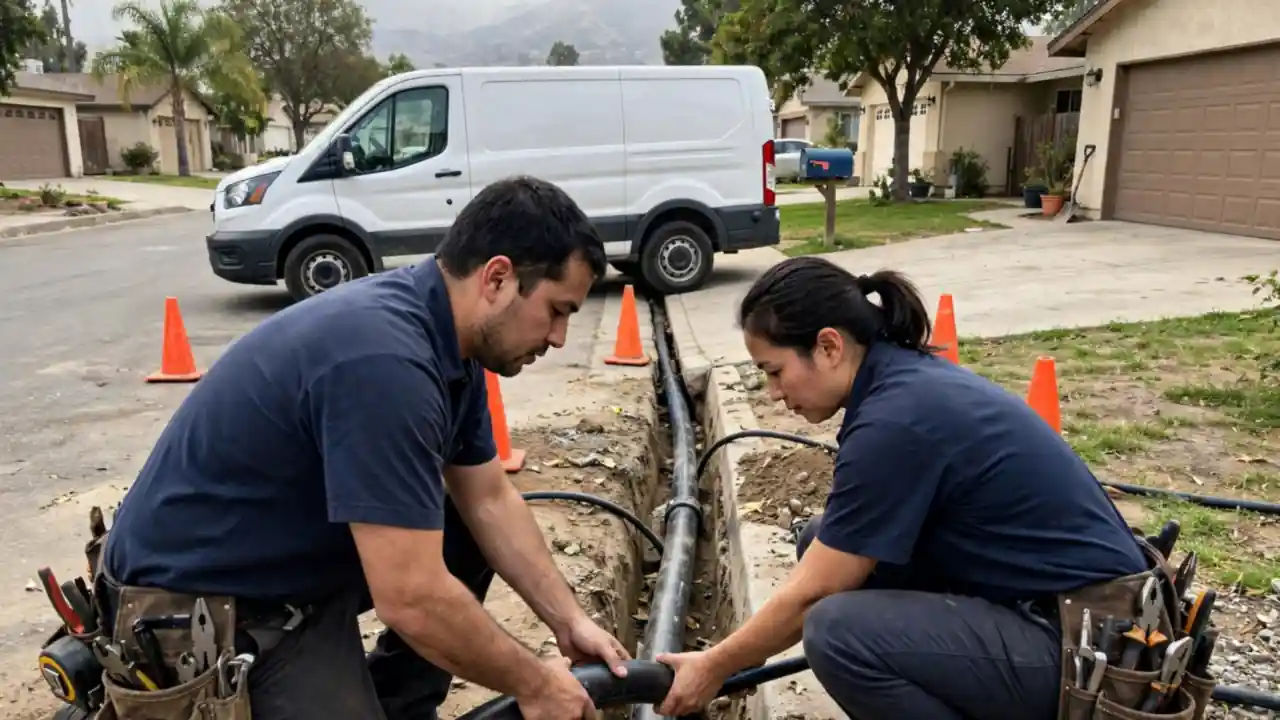
Main sewer laterals obstruct primarily from external factors, including tree root invasion through joint seams, ground settling creating pipe bellies, and Chino Basin mineral scale buildup. Diagnostic camera inspections pinpoint the exact obstruction source before technicians select clearing equipment.
When a drain needs more than cleaning
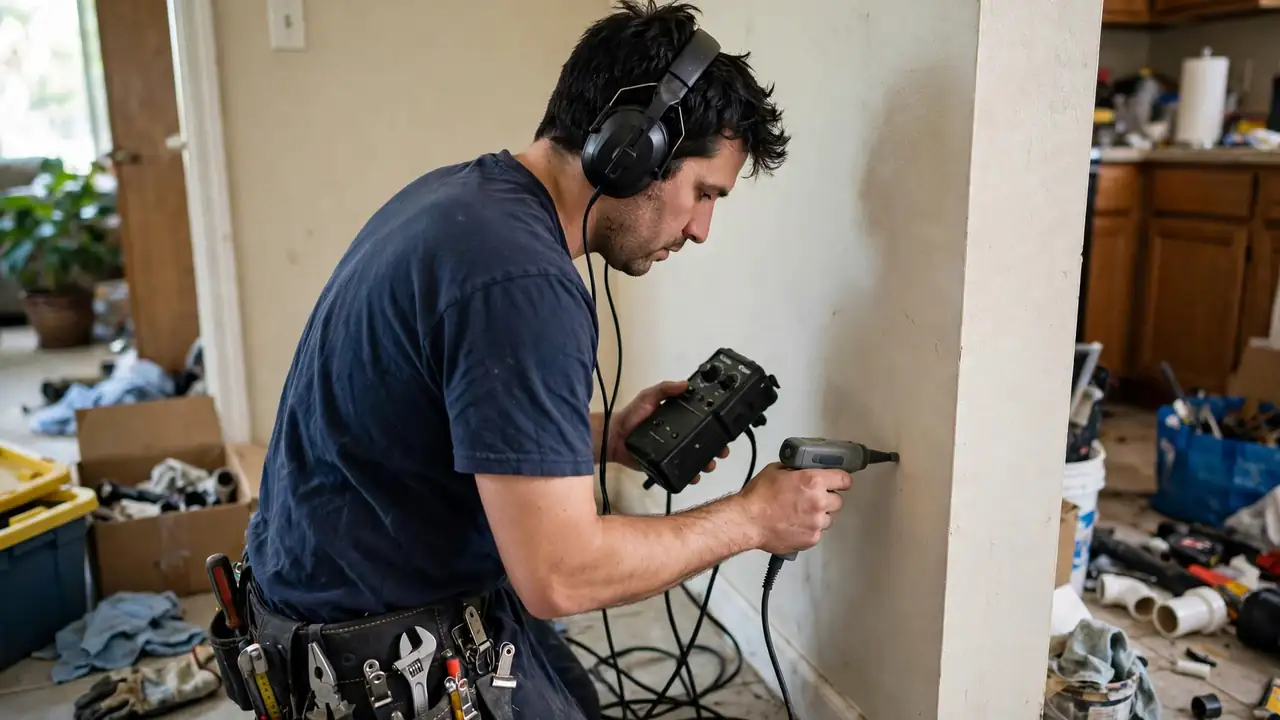
Recurring clogs occurring within 30 days of mechanical cleaning indicate underlying pipe structural failure rather than simple debris buildup. High-definition video camera inspections reveal cracked pipe walls, offset joints, root shear, or collapsed sewer segments requiring targeted pipe repair or trenchless replacement.
Safe Actions for Property Owners
Homeowners safely operate standard flange plungers and clean accessible surface hair strainers. Chemical drain cleaners damage vintage cast-iron pipes through corrosive acid reactions and rarely eliminate deep mainline blockages.
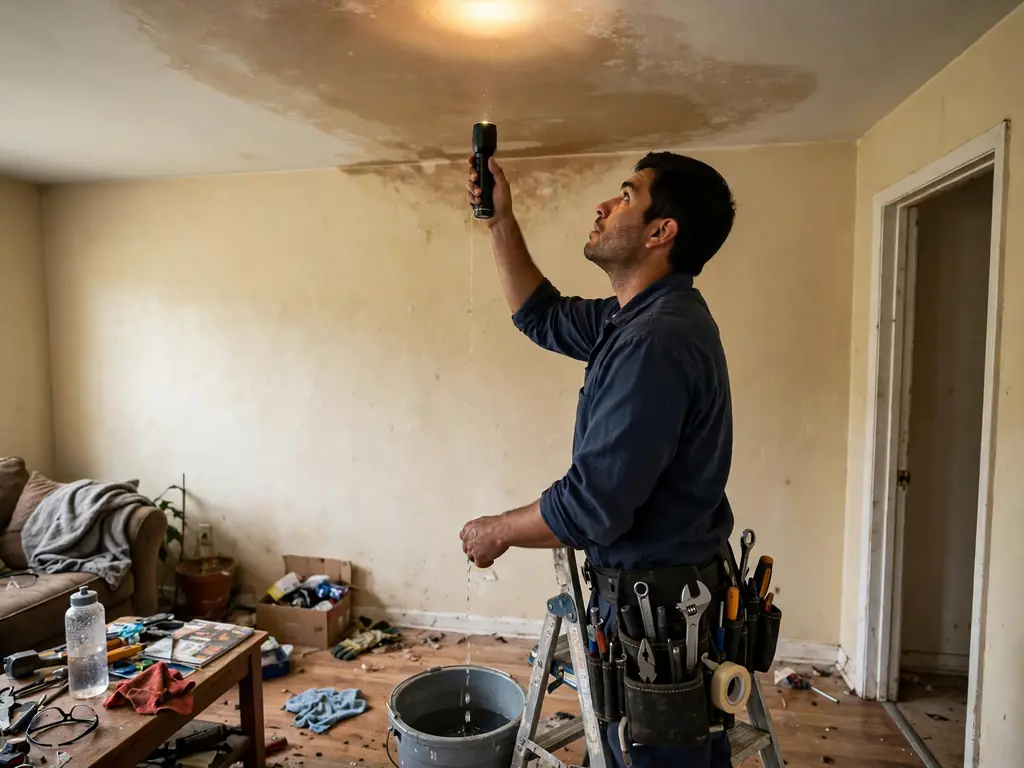
When multiple drains back up simultaneously or wastewater enters bathtubs when toilets flush, cease water use immediately and call a professional plumber. Attempting to clear main sewer lines with undersized hand tools risks compacting obstructions deeper into municipal connections.